
FinTech might sound like one of those adult buzzwords, but it’s actually a big part of your life — especially if you’ve ever sent mobile money, bought airtime on your phone, or used an app to pay for something. 💸📱
Let’s break it down simply and see how you, as a teen in Ghana, can use FinTech to build better money habits and become smarter with your finances. 💡
What is Fintech? 🤔
Fintech = Financial Technology.
It’s any technology that helps people manage money better and faster.
Think of it this way:
Before: You had to go to the bank and stand in line to send money.
Now: You can send money instantly with MoMo or a banking app!
That’s FinTech in action. 🚀
Examples of Fintech you already use in Ghana
You may not even realize it, but FinTech is all around you. Here are some common examples teens are already using:
- G-Money Mobile Wallet, MTN MoMo, Vodafone Cash, AirtelTigo Money – Send/receive money, buy airtime, pay for stuff.
- Banking apps (e.g., GCB, Absa, Fidelity Mobile) – If your parents use them, you’ve probably seen how they check balances and transfer funds.
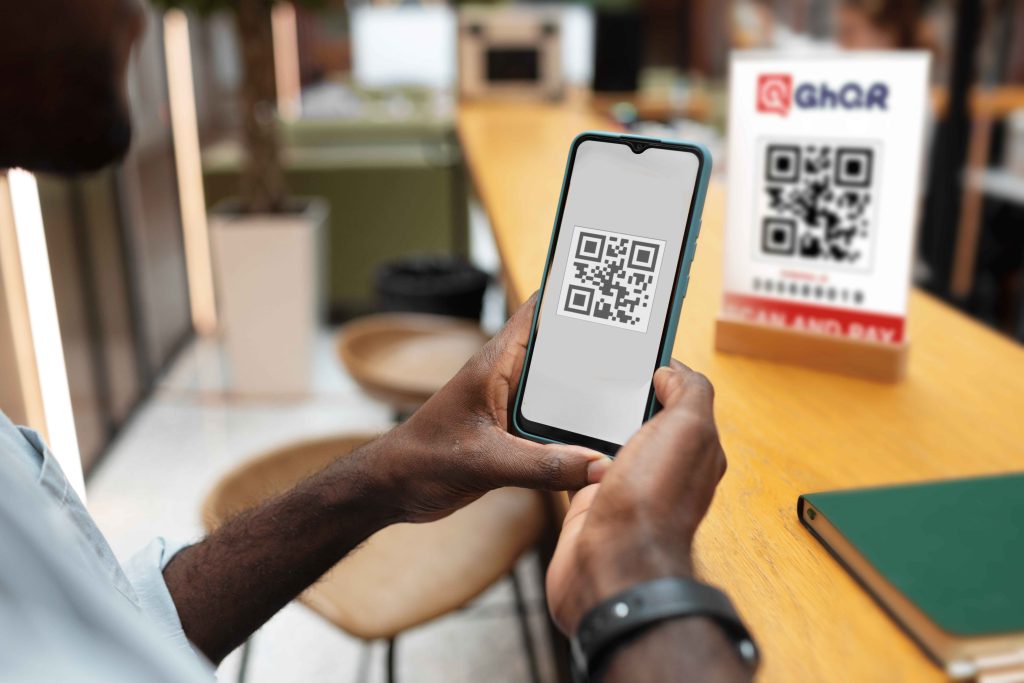
- QR Code payments – Seen someone scan a QR to pay at a shop? That’s FinTech.
Savings & investment apps – Some services like G-Money and banks or platforms offer digital savings (like “SaveLite” or “Stanbic FlexSave”).
Why should Teens care about Fintech?
You may not have a bank account (yet), but understanding FinTech gives you a head start. Here’s how it can help:
✅ Make saving easier – With mobile wallets, you can put money away instantly
✅ Stay safe – Carry less cash and avoid getting robbed
✅ Learn budgeting tools – Some apps help you track spending
✅ Prepare for the future – You’ll already know how to manage your money when you turn 18 or start your first job
How can Teens use Fintech safely and smartly?
Even though most financial apps require users to be 18+, there are still smart ways to engage:
- Use a trusted adult’s wallet to learn: Ask to help manage or monitor MoMo accounts (with permission).
- Start budgeting with digital tools: Use free apps or Google Sheets to track savings and spending.
- Set up a youth savings account: Some banks allow this with your parent’s support.
- Explore safe learning apps: Some FinTech platforms offer simulations or education-based tools for students.
- Always protect your PIN!: Never share it. Not with friends. Not even your bestie. 🙅🏾♂️🙅🏾♀️
What Teens should not do with Fintech (Yet!) 🚫
❌ Don’t use unknown apps without checking with an adult
❌ Don’t take loans you don’t understand
❌ Don’t use your wallet to gamble or “double money” — those are scams
FinTech can open great doors, but you have to be responsible.
The future of Fintech and you
Imagine this:
- Sending school fees with one tap
- Getting paid for your small business via mobile wallet
- Investing GHS 50 in an app and watching it grow
- Setting savings goals on your phone with reminders
This future is already here. As Ghana’s FinTech space grows, teens who understand it early will have a powerful advantage. 🚀💼
💬 Quick Glossary for Teens
| Term | Meaning |
| MoMo | Mobile Money – send and receive money with your phone |
| QR Code | A scannable code that allows payments or info sharing |
| Wallet | A mobile account used for storing and transferring money |
| PIN | Personal Identification Number – always keep it secret |
| Budget | A plan for how you’ll spend or save your money |
📲 Challenge of the Week:
- Ask a parent or older sibling to show you how they use mobile money or their banking app
- Write down 3 things you learned
- Share what you discovered using #SmartTeensGH
✨ Final Words
You don’t have to wait till you’re an adult to start understanding how money works — or how tech makes it better. FinTech is shaping the future of Ghana’s economy, and you can be part of it. The earlier you start learning, the more confident and smarter you’ll be when it’s your turn to earn, save, and spend wisely.